Contents
part III: the person
'This
also shows what the identity of
the same man exists in
namely a participation in the same
continued life
by constantly fleeting particles
of matter
that are successively vitally
united to the same organized body.'
John
Locke
(1632-1704) in:
'Essay Concerninbg Human
Understanding
- XVII, identity and diversity 6'
Introduction
Control,
identity en the ideal
In Part II, we
dealt with the principles. Using
these principles, we transitioned
from the art of analysis to what
we call spiritual association, or
spirituality. We examined how time
played a role in the relationship
between the spirit and the body,
or the master and the slave. From
Part
I, we knew that pure
consciousness is a scientific
matter of seeing things as they
are and being free from illusion.
However, if we find ourselves in a
state of illusion, even though we
are scientifically sound and
analytically dependable when
engaging with the principle, and
we are not unified in the soul,
then we have fallen. In some way,
we have lost our way in the fallen
state and become bewildered. In
this case, we have a psychological
problem of control. In the
illusory state, we have a problem
of authority, and we are no longer
pure in the relationship between
spirit and body. We no longer know
who the master and who the slave
is. With problems of authority,
one has illusions of control. One
may be paranoid about being
controlled by others, or one may
be under the illusion that the
purpose of self-control is to
control someone else. In the
fallen state, one departs from an
individual illusion and slides
down with others into a common
illusion of a "society" that finds
itself in chaos because its people
are no longer cooperating
properly.
We
no longer know what we're doing,
what we're supposed to do, or
who we are. We have an identity
crisis, a problem with
servitude, and a problem with
knowledge. We are burdened with
the assignment of solving these
problems. Like bees whose honey
was stolen by the beekeeper, we
are given sugar water, a
temporary solution to our hunger
until we regain control of our
individual and communal lives.
We solve the identity problem
provisionally with ego
ambitions: it's better to
maintain appearances with an "I
prophesy" than to give it up
altogether. Likewise, we solve
the problem of servitude by
working for money, even though
we have an indefinable, uneasy
feeling of estrangement and no
longer have our heart in it.
It's a big lie that
self-interest isn't precise with
the rules, but okay. We solve
the problem of knowledge by
reading sermons aloud, with or
without the help of "thought
prostheses" or books. All that
pedantry of "sir minister" is
fine too. When we can no longer
see clearly or are no longer as
conversant, we use spectacles,
"mentures," or a "thought
prosthesis," a book.That book is
also just an artificial fixation
that is not really adapted to
the here and now. Just as with
glasses that have a fixed
lens focus, one is satisfied
with one's favorite author or
holy scripture, for that m atter.
For example, the controversial
1951 novel Catcher
in the Rye
byJ.D.
Salinger
(born 1919) received cult status
for supporting and sheltering
loners and dropouts who rejected
bourgeois materialism. The book
portrays the leading character,
Holden, struggling to become an
adult and facing the world of
the "phonies," fake people, or
hypocrites. However, the book
itself is also a fake idea,
caught in a projection. The
advice with such books is then
to "judge not," or as Vyâsa says
in S.B. 11.28: 1,
"be free from praise and
criticism with regard to
someone else's actions." atter.
For example, the controversial
1951 novel Catcher
in the Rye
byJ.D.
Salinger
(born 1919) received cult status
for supporting and sheltering
loners and dropouts who rejected
bourgeois materialism. The book
portrays the leading character,
Holden, struggling to become an
adult and facing the world of
the "phonies," fake people, or
hypocrites. However, the book
itself is also a fake idea,
caught in a projection. The
advice with such books is then
to "judge not," or as Vyâsa says
in S.B. 11.28: 1,
"be free from praise and
criticism with regard to
someone else's actions."
All of the
aforementioned cases of
temporary solutions are
compensations for failed
identity, servitude,
and integrity. If we don’t want
to get sick from it, we have to
- in order to fix it -
essentially work our way back to
the point where things went
wrong, where we fell. But then
we find the path blocked by a
number of psychological
mechanisms. It’s true that
you’ve stumbled, but you must
continue to believe in yourself,
and so you end up justifying the
fall and are no longer able to
figure out on your own exactly
what “trial and error” entails.
Something has slipped into
the “unconscious.” And
even if you sometimes catch a
glimpse of the truth in your
half-sleep or in a flash of
insight, you quickly push it
away again as if you were your
own enemy. After all, you can’t
just keep telling yourself that
you’re wrong - or even that you
were wrong - and that you’re
doing things incorrectly or lack
good will. Those who do go
around saying such things to
themselves in a disorganized way
are in the grip of a so-called
depression: they can no longer
regain their self-esteem and
motivation because they are
overwhelmed by the opposite of
that closet full of hidden
things that, all at once - in a
crisis - came crashing down on
them and crushed their
self-worth. So, in our normal
state of consciousness, we are
“in consonance with ourselves,”
as psychologists (particularly
the social psychologist Leon
Festinger, 1919–1989) put
it; we are our own best friend,
as we already saw in *A
Small Philosophy of
Association*; and we
are even more likely to distrust
others than ourselves, with the
idea: “ if I can’t figure it
out, then you certainly can’t
either - but as long as you
pretend you can, I’m better
off facing the problem head-on”-
even though I’m just as down in
the dumps. There is no end to
these psychological complexes,
and together we go downhill if,
as “friends of ourselves,” we
fail to understand the
compensations, put an end to
them, and - as we have already
seen - step out of them with a
better order of time, more
stable in discipline and in the
natural ether. To stay healthy,
we must escape from that
temporary system of
compensations, from that flawed
system that separated time from
place and reduced it to a linear
routine, thereby disrupting our
dynamic sense of being connected
to the planet and to one
another.
W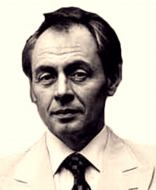 ith
one's looking for solutions
arriving at the compensations of
the ego, the labor and the
books, we also get into trouble
with the person. The other may
physically not rule us over,
that we have to do ourselves.
That we remembered from our
education: we have to be grown
up and take our responsibility.
Your daddy and mom aren't there
any longer and you
even rejoice in it. But by
making yourself the authority
will the other not just like
that be appreciative of or
subservient to that ego, for the
other person knows that game of
compensations very well himself.
We do not without a problem
expect the other to be holy in
following the principles and
thus one assumes that everyone
must be compensating, for that's
something normal. The division
stays and despair dominates
one's life-experience, for one
carries water to the sea with
it: nothing is won with a
(notion of a) charade, there's
no real progress then. For the
materially motivated ego of
outer appearances existing there
for it's own sake is not the
solution really. And that's also
true for paid labor and books.
If one does one's job for the
money only, one is not really
dependable and books most of the
time are a lot of grousing with
a glaze of a partly
self-invented world from which
one also has to wake up again to
discover that, even though one
might dream, one in reality is
still implacably the slave of
the circumstances and the senses
thereto, in stead of being the
master of one's fate. And thus
we are what the british
psychiatrist R. D.
Laing
(1927-1989) in the sixties
called the, circumstantially
created, divided self of the man
who outside is a fool victimized
by the compensation culture with
all her fake appearances and
conflicting psychology, but at
the inside is a god full of
ideals and qualities opposed to
that with a certain frustration
over the inability to realize
oneself, to prove oneself. ith
one's looking for solutions
arriving at the compensations of
the ego, the labor and the
books, we also get into trouble
with the person. The other may
physically not rule us over,
that we have to do ourselves.
That we remembered from our
education: we have to be grown
up and take our responsibility.
Your daddy and mom aren't there
any longer and you
even rejoice in it. But by
making yourself the authority
will the other not just like
that be appreciative of or
subservient to that ego, for the
other person knows that game of
compensations very well himself.
We do not without a problem
expect the other to be holy in
following the principles and
thus one assumes that everyone
must be compensating, for that's
something normal. The division
stays and despair dominates
one's life-experience, for one
carries water to the sea with
it: nothing is won with a
(notion of a) charade, there's
no real progress then. For the
materially motivated ego of
outer appearances existing there
for it's own sake is not the
solution really. And that's also
true for paid labor and books.
If one does one's job for the
money only, one is not really
dependable and books most of the
time are a lot of grousing with
a glaze of a partly
self-invented world from which
one also has to wake up again to
discover that, even though one
might dream, one in reality is
still implacably the slave of
the circumstances and the senses
thereto, in stead of being the
master of one's fate. And thus
we are what the british
psychiatrist R. D.
Laing
(1927-1989) in the sixties
called the, circumstantially
created, divided self of the man
who outside is a fool victimized
by the compensation culture with
all her fake appearances and
conflicting psychology, but at
the inside is a god full of
ideals and qualities opposed to
that with a certain frustration
over the inability to realize
oneself, to prove oneself.
This
section is about restoring
one's respect for who one
truly is deep down, in all
one's glory. It's about the
healing process and the
process of becoming, which
the humanistic psychologist
Carl
Rogers
(1902–1987) referred to in
1974 as "becoming a person."
It's about approaching a
person with empathy so he
can get back on his feet,
realize his actual
predicament, recognize his
errors in thinking,
acknowledge his mistakes,
understand his confusion
regarding standards, values,
and needs, and admit his
foolishness. It is also
about the person who is no
longer focused on
compensation, who belongs to
God, is a god in his own
right, embodies the ideal,
and is the savior, great
leader, redeemer, spiritual
teacher, hero, and great
example - the very
embodiment of wisdom and
mastery over the universe.
The latter is inevitable. If
you want respect for who you
are, you must also respect
who others are. This is the
only way to put an end to
the division caused by material
ego-interest. The
fact that, at first - more or
less infatuated - one then
realizes the disparity with a
lofty or sometimes overly
idealized image of the other in
the form of a “Great
Personality”, is due to the
karmic backlash of swinging to
the other extreme of excessive
respect, because the ability to
maintain balance does not come
easily. As a child, you may have
idealized your father; as an
adult, this continues with the
ideal of the deity, who is also
called Father. And for quite a
few people, the problem of
self-realization lie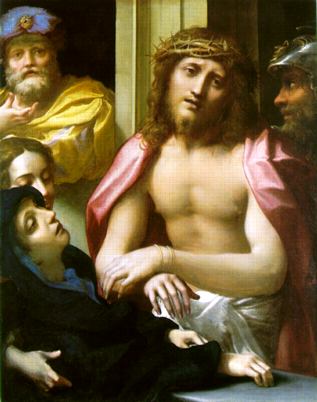 s in
the fact that there are indeed
Great Personalities - whether
visible or no longer visible -
to look up to and learn from. To
overcome this inequality, even
according to the Great
Personalities themselves, a
process of emancipation is
needed - a process of becoming
equal, a process of spiritual
growth, a therapeutic process. Out of
fear of the false
ego of the person of pretense
and lies, we speak in this
context of a holiness that would
be free from such things - a
holiness we hope is not
hypocritical, as is the case,
for example, with priests who
molest children, popes who order
people to be murdered, cult
leaders who incite suicide, and
spiritual leaders who are
personally seeking material
gain. We therefore speak of
faith: in the fallen state, it
is difficult to believe and you
face a problem with authority,
but once you’ve managed to pull
yourself together, you suddenly
see an ally in that example -
one you can draw strength from -
and thus, gaining faith in a
leader, a Lord, a therapist,
and/or a guru is the path out of
the fallen state. And this
applies not only to holiness;
no, an artist who is honestly
capable of railing against all
hypocrisy is already preferred
over a law-abiding citizen who
has not managed to elevate the
image of truth - even if it is
undesirable - directly into art.
The importance of the
manifestation sometimes even
takes precedence over its ideal.
And that can be a shocking
discovery - for example, with
therapists who end up in bed
with their clients or gurus who,
in a way that’s almost
incomprehensible, take over your
sexual and other karma. s in
the fact that there are indeed
Great Personalities - whether
visible or no longer visible -
to look up to and learn from. To
overcome this inequality, even
according to the Great
Personalities themselves, a
process of emancipation is
needed - a process of becoming
equal, a process of spiritual
growth, a therapeutic process. Out of
fear of the false
ego of the person of pretense
and lies, we speak in this
context of a holiness that would
be free from such things - a
holiness we hope is not
hypocritical, as is the case,
for example, with priests who
molest children, popes who order
people to be murdered, cult
leaders who incite suicide, and
spiritual leaders who are
personally seeking material
gain. We therefore speak of
faith: in the fallen state, it
is difficult to believe and you
face a problem with authority,
but once you’ve managed to pull
yourself together, you suddenly
see an ally in that example -
one you can draw strength from -
and thus, gaining faith in a
leader, a Lord, a therapist,
and/or a guru is the path out of
the fallen state. And this
applies not only to holiness;
no, an artist who is honestly
capable of railing against all
hypocrisy is already preferred
over a law-abiding citizen who
has not managed to elevate the
image of truth - even if it is
undesirable - directly into art.
The importance of the
manifestation sometimes even
takes precedence over its ideal.
And that can be a shocking
discovery - for example, with
therapists who end up in bed
with their clients or gurus who,
in a way that’s almost
incomprehensible, take over your
sexual and other karma.

Denying
or acknowledging the other in
the struggle to draw attention
to oneself is like the legendary
Baron
Munchausen,
who managed to pull himself out
of the swamp by his own hair:
once one has converted, in
faith, to a positi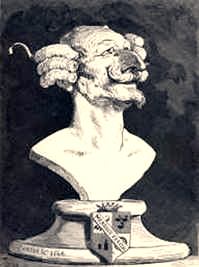 ve
confession, one must realize a
state of redemption if one is to
emerge from one’s own swamp. One
must clearly see the other one
who one then eventually is
oneself and who does
succeed in preserving the soul,
serving the cause, and
possessing true knowledge. In
1965, the Dutch psychologist
J.J. van der Werff discussed
self-image and self-ideal in his
book of the same name: this is a
dichotomy without which,
paradoxically, a person cannot
be happy or even healthy. One is
necessarily torn when one is
honest about the fact that, on
the one hand, there is personal
inadequacy, mistakes, errors,
and misery in material life,
while one on the other
hand, must contrast this
with a self characterized by
more enduring happiness - which
is marked more by competence and
less by mistakes and errors.
Just as we from Part I to
Part II moved from an
illusion-free person who is one
with the universe to a person
who, identified with matter, is
no longer so certain of that
oneness having come to realize
the good and evil of adhering to
principles, we now move from
that inwardly divided,
analytical, and spiritually
seeking human being to the ideal
human being whom we must strive
to realize, whom we must believe
in as a horizon of qualities and
integrity that ever recedes as
we approach it, and whom we must
realize within ourselves as
someone who is knowledgeable
(Vedic: the caittya-guru).
Thus, we move from the personal
realization of our ve
confession, one must realize a
state of redemption if one is to
emerge from one’s own swamp. One
must clearly see the other one
who one then eventually is
oneself and who does
succeed in preserving the soul,
serving the cause, and
possessing true knowledge. In
1965, the Dutch psychologist
J.J. van der Werff discussed
self-image and self-ideal in his
book of the same name: this is a
dichotomy without which,
paradoxically, a person cannot
be happy or even healthy. One is
necessarily torn when one is
honest about the fact that, on
the one hand, there is personal
inadequacy, mistakes, errors,
and misery in material life,
while one on the other
hand, must contrast this
with a self characterized by
more enduring happiness - which
is marked more by competence and
less by mistakes and errors.
Just as we from Part I to
Part II moved from an
illusion-free person who is one
with the universe to a person
who, identified with matter, is
no longer so certain of that
oneness having come to realize
the good and evil of adhering to
principles, we now move from
that inwardly divided,
analytical, and spiritually
seeking human being to the ideal
human being whom we must strive
to realize, whom we must believe
in as a horizon of qualities and
integrity that ever recedes as
we approach it, and whom we must
realize within ourselves as
someone who is knowledgeable
(Vedic: the caittya-guru).
Thus, we move from the personal
realization of our 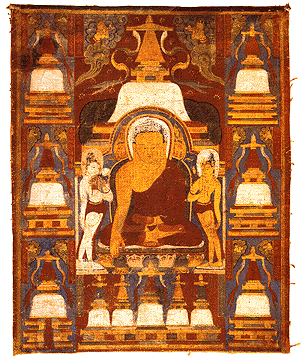 own
inadequacy to the problems of
religion and politics. Religion
is the social organization of
respect for the ideal person in
relation to a certain temporal
order, and politics is the
reality of the problematic yet
necessary respect for the person
who may not always be so holy, a
respect in which people are
concerned with reminding one
another what the “true” order of
time should be, how late it is
for “real”, and what the law
“actually” ought to look like. What
then is the priority of the
needs of the necessary
succession of deeds - like the
humanist and psychologist A. Maslow (1908-1970)
put it - once we at the one hand
religiously know of the Original
Person while we in terms of
behavioral science at the other
hand have accepted as being
inevitable - with or without a
so-called peak-experience of
being on our way - what the
ideal is of that person who in
India is called the purusha?
How to tell each other what time
it is, where we stand,
with religion and
politics? Or .... was it, as we
already saw in part I and II,
more a matter of self-control
and sense of reality, that
identifying ourselves with the
great example of self-control
set by the Master of Yoga, who
in case of proven wisdom
and recognizable incarnation
is also granted the Vedic
honorary title
'yogîs’vara? own
inadequacy to the problems of
religion and politics. Religion
is the social organization of
respect for the ideal person in
relation to a certain temporal
order, and politics is the
reality of the problematic yet
necessary respect for the person
who may not always be so holy, a
respect in which people are
concerned with reminding one
another what the “true” order of
time should be, how late it is
for “real”, and what the law
“actually” ought to look like. What
then is the priority of the
needs of the necessary
succession of deeds - like the
humanist and psychologist A. Maslow (1908-1970)
put it - once we at the one hand
religiously know of the Original
Person while we in terms of
behavioral science at the other
hand have accepted as being
inevitable - with or without a
so-called peak-experience of
being on our way - what the
ideal is of that person who in
India is called the purusha?
How to tell each other what time
it is, where we stand,
with religion and
politics? Or .... was it, as we
already saw in part I and II,
more a matter of self-control
and sense of reality, that
identifying ourselves with the
great example of self-control
set by the Master of Yoga, who
in case of proven wisdom
and recognizable incarnation
is also granted the Vedic
honorary title
'yogîs’vara?
Contents section
IIIa: the personal
Self-knowledge,
reformation and identity
'God, like the
tradition tells us,
has in His grip the beginning, the
middle and the end of all things
and in His fixed course, according
nature,
takes He everything to it's
destination.
Him always accompanies Dikè2, of
retribution
to all who do not fulfill the
divine law.
Who wants to be happy and
felicitous,
better respects her from the
beginning.'
Plato quoted by
Aristotle in: About the Cosmos
In the
quest for the self - for lasting
happiness and knowledge - we
cannot, therefore, ignore the
person, nor the need to respect
that person - who is also yourself
- in a material sense as well.
Therefore, from a filognostic
perspective, respect for the
person divides into a
personal/religious and a
political/futurological aspect. On
the personal level, in our
scientifically grounded,
methodical self-actualization, we
grapple with the sanctity and
authentic experience of the
“Absolute Truth,” and in the
material interest involved, we
grapple with the politics of
temporal systems, identities,
commentary, authority, the final
word, the benefit of the doubt,
the law, the economy,
accountability, and the future -
all of which, as adults, as we
have just seen, we also need
alongside the necessity of a
certain self-ideal.
Based on
Part I, we were able to establish
a sound classification in
accordance with the natural order
- an order that, being lawful,
provides us with certainty and
represents a form of certain
knowledge that no one can
challenge. Building on this
certainty, in Part II we undertook
the challenge of learning the art
of living with the duality
inherent in the analytical and
with the qualities inherent in the
spiritual self - which we cannot
do without in the philosophy of
liberation. Now, having arrived at
the question of the self, we face
the classic question: “Who am I?”
In the Vedic tradition, the answer
is simply “soham,” which literally
means “I myself.” It is also said,
“tat tvam asi,” or “that you are,”
to indicate that the reality of
the self involves a relationship
with the reality and the principle
(tat) of the universe, which
encompasses the other. Without
that relationship, the sense of
self in relation to God has no
reality. Given the inevitability
of duality, the “I” without the
other is an illusion of
separateness that must be overcome
through what the Vedas call
karuna, dayâ, bhâva or prema:
kindness, compassion, affection,
and love. From Plato, we in the
West have also learned that God -
or rather, the path to God - must
be seen as the good, which Vyâsa
calls sattva or the quality (guna)
of goodness
(S.B.
7.15: 25Viewed in
this light, sinful action is
nothing other than that action
which, causing pain and sorrow,
runs counter to that goodness; and
serving God is the consistent
pursuit of this realization of the
self, which is then no longer
called the false ego but a soul, a
conscientious self of principles,
standards, and values. Regarding
the concept of God, Aristotle says
in *On the Cosmos*: “God is one,
but he is called by many names,
derived from all the phenomena
that he continually brings into
being”.... He is called the son of
Kronos and Time (Chronos), because
his existence continues from one
endless world-age to the next;...
I believe that ‘Necessity’ is also
merely another name for him, since
he is the invincible cause.” The
discovery of this True Self of the
soul of this Original Person - who
is thus also identified with the
concept of time and necessity
according to the roots of Greek
philosophy - can, through the
disposition of goodness, proceed
only along the path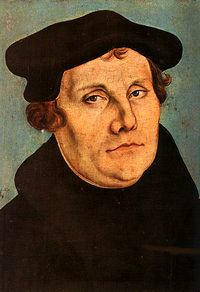 of
respect for others, whom we, along
with ourselves, must not cause
sorrow. The ego, in its falseness,
constantly sets itself apart with
negativity toward everything else
that must be excluded for the sake
of material action, as we saw
in "The
NOT-paradigm" in part I. That
negation, that denial of saying
no, is essential for one's
material action. It can't be
otherwise. As for the practice of
Christianity in Europe at the end
of the Middle Ages - as this
saying reminds us - we had Martin
Luther
(1483–1546), who denounced the
corrupt state of the Catholic
Church’s
fundamentalist-dictatorial
influence. The result of his
heroism was that, after centuries
of struggle, the Church was
ousted from its position of
absolute power and, like any other
form of class corruption, had to
learn to adapt, politely and
modestly, to a normal position
within the spheres
or fields of action of the
individual citizen, as discussed
in Part I. By the end of the
Middle Ages, Christianity was no
longer Christianity, but had
degenerated into a theology torn
by internal divisions - an
essentially fallen culture that
would later have to face the
philosophy of the Enlightenment as
a lesson in mature (and also
religious) self-responsibility.
Pope Gregory’s calendar reform in
1582, shortly after the Middle
Ages, could no longer do much to
counter that confusion. There was
also more at stake than the
question of the order of time.
Although the system as a whole was
no longer in harmony with nature,
the
Reformation/Counter-Reformation
attempt to restore respect for the
reality of God’s creation through
a calendar reform could no longer
reverse the division that had
arisen, despite all the burnings
of heretics and iconoclastic
rampages. As Thomas
Kuhn
(1922–1996) had already indirectly
pointed out in 1962 in his study
on the structure of revolutions in
scientific paradigms, in the year
zero the conceptual model of
Christianity followed that of
Judaism in a revolutionary manner,
and seven centuries later, Islam
historically followed Christianity
with the same heroic spirit,
whereupon, following the revival
of Greco-Roman culture during the
Renaissance around 1650, the Enlightenment
emerged,
displaying at least as much
rebellious heroism. The
Enlightenment thrived on the
eroded authority of religion,
which had in fact been facing its
own decline ever since the rise of
Islam, with the latter’s rejection
of its “argument of time.” Islam
had developed prayer based on the
position of the sun after Muhammad
(571–632) discovered that “gap in
the religious market” in the
seventh century A.D., and had thus
achieved such success against
Christianity that, outside the
monasteries, did not strictly
adhere to the order of prayer
times. After all, during the
Middle Ages, the Julian calendar -
with its Kalends and Ides -
applied only to monastics; for
laypeople, it had already been
abolished by the Roman Emperor Constantine
the Great
(272–337). of
respect for others, whom we, along
with ourselves, must not cause
sorrow. The ego, in its falseness,
constantly sets itself apart with
negativity toward everything else
that must be excluded for the sake
of material action, as we saw
in "The
NOT-paradigm" in part I. That
negation, that denial of saying
no, is essential for one's
material action. It can't be
otherwise. As for the practice of
Christianity in Europe at the end
of the Middle Ages - as this
saying reminds us - we had Martin
Luther
(1483–1546), who denounced the
corrupt state of the Catholic
Church’s
fundamentalist-dictatorial
influence. The result of his
heroism was that, after centuries
of struggle, the Church was
ousted from its position of
absolute power and, like any other
form of class corruption, had to
learn to adapt, politely and
modestly, to a normal position
within the spheres
or fields of action of the
individual citizen, as discussed
in Part I. By the end of the
Middle Ages, Christianity was no
longer Christianity, but had
degenerated into a theology torn
by internal divisions - an
essentially fallen culture that
would later have to face the
philosophy of the Enlightenment as
a lesson in mature (and also
religious) self-responsibility.
Pope Gregory’s calendar reform in
1582, shortly after the Middle
Ages, could no longer do much to
counter that confusion. There was
also more at stake than the
question of the order of time.
Although the system as a whole was
no longer in harmony with nature,
the
Reformation/Counter-Reformation
attempt to restore respect for the
reality of God’s creation through
a calendar reform could no longer
reverse the division that had
arisen, despite all the burnings
of heretics and iconoclastic
rampages. As Thomas
Kuhn
(1922–1996) had already indirectly
pointed out in 1962 in his study
on the structure of revolutions in
scientific paradigms, in the year
zero the conceptual model of
Christianity followed that of
Judaism in a revolutionary manner,
and seven centuries later, Islam
historically followed Christianity
with the same heroic spirit,
whereupon, following the revival
of Greco-Roman culture during the
Renaissance around 1650, the Enlightenment
emerged,
displaying at least as much
rebellious heroism. The
Enlightenment thrived on the
eroded authority of religion,
which had in fact been facing its
own decline ever since the rise of
Islam, with the latter’s rejection
of its “argument of time.” Islam
had developed prayer based on the
position of the sun after Muhammad
(571–632) discovered that “gap in
the religious market” in the
seventh century A.D., and had thus
achieved such success against
Christianity that, outside the
monasteries, did not strictly
adhere to the order of prayer
times. After all, during the
Middle Ages, the Julian calendar -
with its Kalends and Ides -
applied only to monastics; for
laypeople, it had already been
abolished by the Roman Emperor Constantine
the Great
(272–337).
However,
the Islamic uniformity and
one-sidedness of that
option was doomed to
perish
(fundamentalistically)
according to the logic of
the fields of human
action. With the
philosophy of the Enlightenment
came the downfall of not
just the Church, but also
Islam. Since the
historical turning point
of the Siege of Vienna in
1683, when the Ottoman
rule of Islam was defeated
by Polish King Jan
III Sobiesky (1629–1696),
Islam's historical role
and position have been
further defined. The idea
of Enlightenment, which
still finds expression in
the motto of the European
Union, "Unity in
Diversity," is not an
original idea of Martin
Luther, who preached
against indulgences from a
sober and self-responsible
understanding of
scripture. He did not aim
to promote diversity in
religious and scientific
practices. For him, there
was only 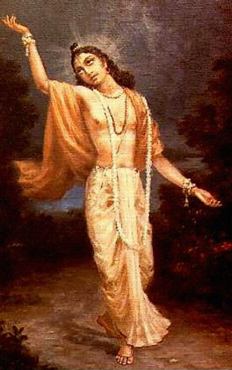 one
Lord. The notion of
"oneness in diversity" in
an enlightened,
multicultural sense is
found today in the modern
rise of the spirit of
democracy with another
religious reformer of that
period: the Vaishnava
saint and avatar S'rî
Caitanya
Mahâprabhu(1486-1543).
In India, he with that
motto attacked the false
authority of the dominant
Islamic rule, dry
theology, and the caste
system. He was the
embodiment of the
Enlightenment, and he
promoted the S'rîmad
Bhâgavatam,
also known as the Bhâgavata
Purâna,
as the most important text
in that theology. It tells
the essential story of God
as the Fortunate One,
written by our filognostic
philosopher of duty,
Vyâsa. Although Luther
defended the principle of
religious purification,
his effort to make the
Bible accessible to all,
as well as his rejection
of celibacy and the sale
of indulgences, was still
a material effort. He
rejected the doctrine of
the spiritual union of the
church, which is based on
the gnostic sanctity and
sainthood that is rarely
found in ordinary and
clerical mortals. He
considered this doctrine
to be impure. This made
his actions material. He
showed no mercy to the
unholy fathers of the
church for their material
digression, yet he was a
materialist himself for
neglecting the sanctity of
the spiritual union. As
the guru Osho explained to
his "new men," "The
one who says ‘no’
is not yet
detached from that
to which he says
‘no.." one
Lord. The notion of
"oneness in diversity" in
an enlightened,
multicultural sense is
found today in the modern
rise of the spirit of
democracy with another
religious reformer of that
period: the Vaishnava
saint and avatar S'rî
Caitanya
Mahâprabhu(1486-1543).
In India, he with that
motto attacked the false
authority of the dominant
Islamic rule, dry
theology, and the caste
system. He was the
embodiment of the
Enlightenment, and he
promoted the S'rîmad
Bhâgavatam,
also known as the Bhâgavata
Purâna,
as the most important text
in that theology. It tells
the essential story of God
as the Fortunate One,
written by our filognostic
philosopher of duty,
Vyâsa. Although Luther
defended the principle of
religious purification,
his effort to make the
Bible accessible to all,
as well as his rejection
of celibacy and the sale
of indulgences, was still
a material effort. He
rejected the doctrine of
the spiritual union of the
church, which is based on
the gnostic sanctity and
sainthood that is rarely
found in ordinary and
clerical mortals. He
considered this doctrine
to be impure. This made
his actions material. He
showed no mercy to the
unholy fathers of the
church for their material
digression, yet he was a
materialist himself for
neglecting the sanctity of
the spiritual union. As
the guru Osho explained to
his "new men," "The
one who says ‘no’
is not yet
detached from that
to which he says
‘no.."
With Luther, we can see
how fundamentalism
- the
page about the
fields with part
one
- is a form of
materialism. By pushing
against more moderate,
politically
"materialistic" people of
compromise, and by
excluding and even killing
alleged sinners, they,
like the Catholic
Counter-Reformation,
create a false ego
unwilling to sacrifice for
the necessary
reconciliation. One
day, Swami
A.C. Bhaktivedanta
Prabhupâda
(1896-1977), the leader of
the Hare
Krishna's,
explained that religious
fanaticism stems from a
lack of philosophy. He
sighed about the criticism
they received for being
sectarian. "Too much
philosophy gives one the
dry, loveless
book-estrangement of
scientists," he added.
Along with celibacy, there
is also a sense of
sanctity and austerity
that is not just respected
by Catholic orders, but
also in India, where it is
considered a holy
principle of spiritual
knowledge. This concept
was considered false with
the fall of Catholic Rome.
Martin Luther, though a
hero, was not a saint in
this sense. He managed,
albeit with some
difficulty and noble
protection, to avoid
carrying the cross of the
Reformation's violence,
which had to be carried by
the celibate monks who
were persecuted here and
there, whether they were
corrupt or not. During
this period of spiritual
confusi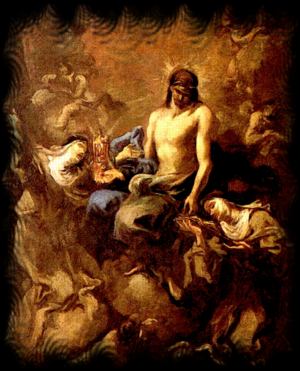 on
about norms and standards,
the cross was on the
shoulders of Lord
Caitanya. With his grace
for the karma of
philosophical scholarship
and religious sanctimony,
he sacrificed his sanity
(and before that, his
marriage). For
this reason, he may be
considered the Christ of
it. Luther married a nun
banished from her convent
by the populace, not
sacrificing his sanity for
the sake of his devotion
to God, but rather
modestly and in solidarity
with the common man. With
him and the rest of the
Christians who reacted
similarly - as
the mob follows
the leader - a
political struggle flared
up in the form of a
self-interest that was
simple yet sacramentally
commendable and not
unholy: the desire for
offspring. This struggle
would fuel many more wars
on the way to what we now
call the ideal of
democracy in search of the
factual authority of
reform and the notion of
enlightenment. Fine, so be
it. We mustn't blame
Luther for the dissension
of the Reformation
opposing the
Counterreformation; he
didn't think of it himself
either. Only the Lord can
reform his own religion,
not a human being with
material needs like
Luther, who was merely the
proximate cause. From
Luther, we learn that
ordinary people cannot
exist in spirit alone;
they must also carry a
material burden. This is
the democratic notion of
equality in diversity,
which Vyâsa called ekatvena
prithaktvena bahuda
in the Bhagavad
Gîtâ
thousands of years ago and
which Caitanya preached
again as acintya
bhedâbheda tattva, an
inscrutable reality of
oneness in diversity. on
about norms and standards,
the cross was on the
shoulders of Lord
Caitanya. With his grace
for the karma of
philosophical scholarship
and religious sanctimony,
he sacrificed his sanity
(and before that, his
marriage). For
this reason, he may be
considered the Christ of
it. Luther married a nun
banished from her convent
by the populace, not
sacrificing his sanity for
the sake of his devotion
to God, but rather
modestly and in solidarity
with the common man. With
him and the rest of the
Christians who reacted
similarly - as
the mob follows
the leader - a
political struggle flared
up in the form of a
self-interest that was
simple yet sacramentally
commendable and not
unholy: the desire for
offspring. This struggle
would fuel many more wars
on the way to what we now
call the ideal of
democracy in search of the
factual authority of
reform and the notion of
enlightenment. Fine, so be
it. We mustn't blame
Luther for the dissension
of the Reformation
opposing the
Counterreformation; he
didn't think of it himself
either. Only the Lord can
reform his own religion,
not a human being with
material needs like
Luther, who was merely the
proximate cause. From
Luther, we learn that
ordinary people cannot
exist in spirit alone;
they must also carry a
material burden. This is
the democratic notion of
equality in diversity,
which Vyâsa called ekatvena
prithaktvena bahuda
in the Bhagavad
Gîtâ
thousands of years ago and
which Caitanya preached
again as acintya
bhedâbheda tattva, an
inscrutable reality of
oneness in diversity.
A computer is
nothing without an operating
system and operating programs,
and the reverse is also true.
Similarly, a person is not
truly human without a mutually
agreed-upon, peace-loving
societal order and a personal
conviction or spirit that
evolves within it, which makes
up the person's integrity and
functioning within that
system. Similarly, the ego
must be negated, and something
like attachment to the
goodness of the Platonic God
is necessary. However, we
cannot easily abandon the
selfhood that manifests itself
repeatedly in the average
person, who is karmically
connected to Mother Earth.
Therefore, more values are
needed than just goodness to
do justice to God in terms of
eternal values. With Lord
Caitanya as the actual Lord of
Reform and defender of
Vyâsadeva's philosophy, we
find, in addition to his
emotional relationships with
the holy name sung in ecstasy,
the s'uddha-sattva
values of s'auca, tapas,
sathya, and dâya,
as explained by Vyâsa (S.B.
1.17: 24). These values
are the need for purity of
body and mind, penance,
truthfulness, and
nature-loving compassion.
Goodness without compassion
might imply violence against
others, including plants and
animals. It might imply a lack
of penance for not sharing
with "lesser ones." It might
imply a lie about reality,
which would make the goodness
an illusion. With lustful
goodness, it implies
estrangement and loneliness,
and the inability to live a
connected life. As Vyâsa puts
it: (S.B.
11.25: 35):
"With his
intelligence pacified
he, being connected [in
bhakti] without any
[other] dependency,
should also conquer the mode
of goodness. The
embodied soul who [thus] freed from the
modes gives up the cause
of his conditioning,
reaches Me."
The
personal aspect of our filognosy
begins with the story of this
writer. Not because my small self
is that important, but because I
know the history that illustrates
the development of attachment to
goodness and detachment from it,
which is essential to progressing
beyond the prison of civil a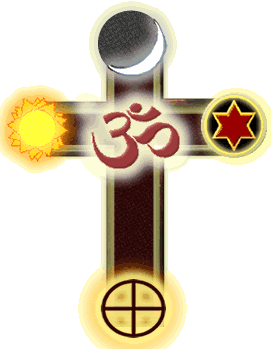 ttachments
and their hopeless stupidity. The
question at hand is this: How does
one get to the point where
Christians occupy themselves with
Hinduism, the inevitable cultural
consequence of respecting Vyâsa?
What was the need for it, and how
does such a life experience
develop? I am, of course, just one
example of many people who, lost
in modern times, had to reconsider
things for themselves, realizing
that the classical order of
Christian society is not fully
understanding or prepared to
welcome someone with all the
twists of our modern fate. The
world's order is the world's
order, and Christianity, like
Judaism and Islam, is merely a
historical part of it. However,
they are indispensable to many.
This writer met other cultures of
the sun, moon, order, and gnosis
while departing from the Christian
cross. These cultures contributed
to the love of knowledge, which
ultimately amounted to the
filognosy of this site. The
ongoing realization was that
repressive progress - evolution at
the cost of previous developments
- constitutes no real progress. A
tree is healthy with its roots,
and our political, democratic, and
postmodern enlightenment is
healthy with its Vedic roots. As
the Gîtâ (15:
1-4) says,
it is a tree upside down, with its
roots touching the sky. In the
end, one must break with it when
the job is done and the tools can
be cleared away. One gains
experience altogether, and
anything else found complicates
the matter. Just
because there are material
improvements, such as the
evolution of the tape recorder
into digital recording
technologies or the telephone into
internet communication, doesn't
mean that the culture or school of
learning of the medium that
preceded another institute of
civilization would be useless or
have no right to exist. Despite
the existence of CDs, the vinyl
record is still around. Despite
the existence of TV, the radio is
s ttachments
and their hopeless stupidity. The
question at hand is this: How does
one get to the point where
Christians occupy themselves with
Hinduism, the inevitable cultural
consequence of respecting Vyâsa?
What was the need for it, and how
does such a life experience
develop? I am, of course, just one
example of many people who, lost
in modern times, had to reconsider
things for themselves, realizing
that the classical order of
Christian society is not fully
understanding or prepared to
welcome someone with all the
twists of our modern fate. The
world's order is the world's
order, and Christianity, like
Judaism and Islam, is merely a
historical part of it. However,
they are indispensable to many.
This writer met other cultures of
the sun, moon, order, and gnosis
while departing from the Christian
cross. These cultures contributed
to the love of knowledge, which
ultimately amounted to the
filognosy of this site. The
ongoing realization was that
repressive progress - evolution at
the cost of previous developments
- constitutes no real progress. A
tree is healthy with its roots,
and our political, democratic, and
postmodern enlightenment is
healthy with its Vedic roots. As
the Gîtâ (15:
1-4) says,
it is a tree upside down, with its
roots touching the sky. In the
end, one must break with it when
the job is done and the tools can
be cleared away. One gains
experience altogether, and
anything else found complicates
the matter. Just
because there are material
improvements, such as the
evolution of the tape recorder
into digital recording
technologies or the telephone into
internet communication, doesn't
mean that the culture or school of
learning of the medium that
preceded another institute of
civilization would be useless or
have no right to exist. Despite
the existence of CDs, the vinyl
record is still around. Despite
the existence of TV, the radio is
s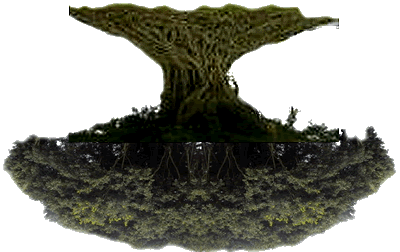 till
around. Despite the existence of
the internet, books still exist.
Despite the existence of
Christianity, Judaism still
exists. Just like the culture of
the "sons of God," who arrived
from beyond the mountains -
possibly the Far East - and
exerted their influence on the
Jews, as described in the Bible
book of Genesis in the chapter on
the Ancient Times. Similarly, in
the political section, we conclude
that we must respect a certain
history of norms and standards
and accept the different views and
personalities in the world, divine
or not. This site (and
the book) takes a filognosy
approach, mentioning the different
sections that discuss them.
Respect for human rights and a
proper idea of emancipation in the
direction of beatitude is the only
non-repressive approach.
Therefore, it is safe to say that
a realistic respect for the person
and his associations, a politics
of mutual commenting, and a
syncretic approach - a kind of
filognosy as expounded here - are
possible and offer a future to
all. A lack of talent can lead to
repression and corruption, which
can lead to dictatorship. However,
respect for different views, as
described in the Small
Philosophy of Association,
leads to a balance of true
democracy and a representative
democracy that is more aligned
with human identity and no longer
defeats itself. With every
election, there is a new option of
sovereignty. till
around. Despite the existence of
the internet, books still exist.
Despite the existence of
Christianity, Judaism still
exists. Just like the culture of
the "sons of God," who arrived
from beyond the mountains -
possibly the Far East - and
exerted their influence on the
Jews, as described in the Bible
book of Genesis in the chapter on
the Ancient Times. Similarly, in
the political section, we conclude
that we must respect a certain
history of norms and standards
and accept the different views and
personalities in the world, divine
or not. This site (and
the book) takes a filognosy
approach, mentioning the different
sections that discuss them.
Respect for human rights and a
proper idea of emancipation in the
direction of beatitude is the only
non-repressive approach.
Therefore, it is safe to say that
a realistic respect for the person
and his associations, a politics
of mutual commenting, and a
syncretic approach - a kind of
filognosy as expounded here - are
possible and offer a future to
all. A lack of talent can lead to
repression and corruption, which
can lead to dictatorship. However,
respect for different views, as
described in the Small
Philosophy of Association,
leads to a balance of true
democracy and a representative
democracy that is more aligned
with human identity and no longer
defeats itself. With every
election, there is a new option of
sovereignty.
First,
with this outlook, it is
important to offer my own story
as an example of the
viability and necessity of
filognosy for everyone. Even
though not everyone shares the
same experience or life
evolution, there are many roads
that lead to the same political
Rome of respect  for the
individual. Still, every path
traveled is a gateway to the
future open for each person. One
may consider a self-description
a failure of the dominance of
the false ego as good as it can
be regared a success in
self-realization in the interest
of the greater soul of the world
population, God, and all living
creatures and universes. To
start, there are two pages of
quotes. The first page contains
quotes
from people other than myself
that I found while searching for
quotes about time and wisdom.
The aphorisms
on the next page came to me as
separate ideas. They are not
always wise or hilarious, but
they should be taken seriously.
The page with my own sayings is
called the Gray
Page for that reason. They
are partly absurd thoughts,
impulses, or emotional
expressions, sometimes meant
just for fun or to serve another
emotional purpose. for the
individual. Still, every path
traveled is a gateway to the
future open for each person. One
may consider a self-description
a failure of the dominance of
the false ego as good as it can
be regared a success in
self-realization in the interest
of the greater soul of the world
population, God, and all living
creatures and universes. To
start, there are two pages of
quotes. The first page contains
quotes
from people other than myself
that I found while searching for
quotes about time and wisdom.
The aphorisms
on the next page came to me as
separate ideas. They are not
always wise or hilarious, but
they should be taken seriously.
The page with my own sayings is
called the Gray
Page for that reason. They
are partly absurd thoughts,
impulses, or emotional
expressions, sometimes meant
just for fun or to serve another
emotional purpose.
After
presenting myself on the next
page in the section called "The
Mirror of Time," where I
tell the story of how I arrived
at my filognostic sense of
order, there is room for a page
on which I further deliberate on
gurus and therapists,
focusing on the special
incarnations of God in the
present age. Next is a page
about the
religious concept of time
and how it is viewed in
different world religions. This
page serves as an introduction
to the next
section, which is about my personal struggle with times of
modern political disputes.
Next is a page specifically
about the Game
of Order, a complete site
in itself that everyone must
learn to play to consider
themselves a winner and a
committed person - as far as I
am concerned, a filognostic.
Finally, there is a page about the
basis of Vedic knowledge
on which this entire site was
built. It is beyond the scope of
this site to extensively discuss
the entirety of the Vedânta
commentary written by Vyasa, but
a general introduction to the
flute in the hands of Krishna,
his hero and Lord, as well as a
discussion of a few elementary
chapters and key verses that
emphasize the connection between
the order of time and the person
of God will - being religiously
committed - conclude this
section.
The pictures:
- The
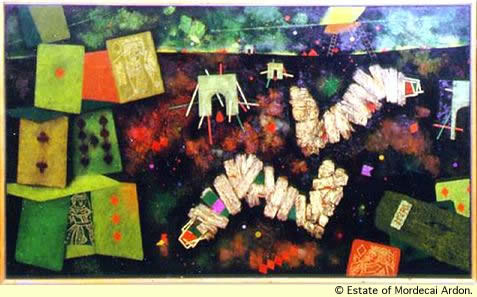
modern painting is of Mordecai Ardon and is called 'For
the fallen souls'; it is the
center piece called the 'Card
house' from a triptych of 1955 - '56. It
is painted in oil on canvas and is
part of the collection of the
Stedelijk Museum in Amsterdam.
-
The picture with the glasses and
the book indicates to what extend
a book equals a pair of glasses,
works like spectacles.
-
The man underneath is the
anti-psychiatrist R. D. Laing, from the sixties
who emphasized the environmental
factors of the societal system as
possible maddeners.
- The
picture of Christ is a painting of
Antonio da Correggio (1489 - 1534)
titled 'Christ presented to the
people' (Ecce Homo); it is
from 1525-30 and consists of oil
on a panel measuring 99.7 x 80 cm,
and is situated in the National
Gallery of London.
-
The picture of the bust is an
etching of Gustave Doré (1832 - 1883) and
shows Baron von Münchhausen. A literary
character known for his
grandiose adventures. His story
was also filmed by Jerry
Gilliam.
-
The Buddha is a picture of Maha-Asta
Caitya, the great teacher of
inner renouncement, it is from
Khara Khoto, Central Asia. It is
from before 1227 from the Tangut
Dynasty and can be found in the
Hermitage Museum.
-
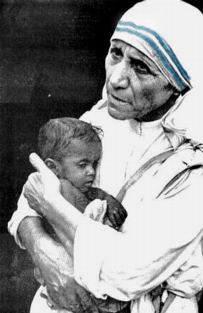
The nun with the poor child is Mother
Theresa (1910 - 1997), the
holy Sister of Compassion doing
her charitable work in India.
-
Underneath a portrait of Martin
Luther (1483 - 1546), painted by
Lucas Cranach der Ältere in 1529.
Luther was the theologian
overturned the catholic order with
his struggle against the
corruption of the church with her
indulgences. He translated the
english text from the Bible in
German and thus popularized the
text. He is considered the leader
of the Christian Reformation.
-
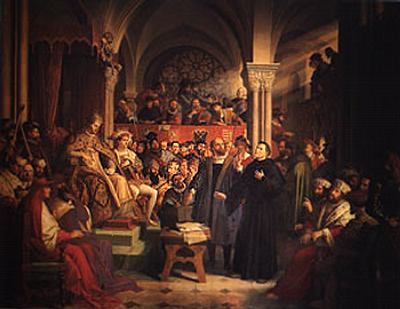
The painting with the monk shows
Luther during the defense of his
theses in the reichstag in
april 1521 in Worms in the
presence of emperor Karel V.
Luther refused to revoke anything
of what he had written.
-
The painter with the dancer shows
Lord Krishna Caitanya
Mahâprabhu (1486-1543) who brought the
reform of vaishnavism which
contested the rule of Islam in
India, the caste-system and the
dry book-knowledge. His message
was 'chant the names and spread
the message of the Bhâgavatam'. In the West he
is known as the Lord of the Hare
Krishna's.
-
The painting of Christ with the
nuns is of Alessandro Magnasco
(1667-1749), and is called 'Christ
Adored by Two Nuns' and is
from 1715, oil on canvas, 58 x 43
cm, at home in the Galleria
dell'Accademia in Venice.
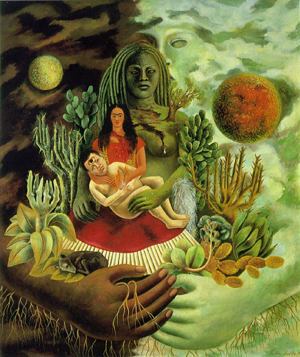
- The
green painting of mother earth
with her grip on the person is of
Frida Kahlo and named 'The Love
Embrace of the Universe, the
Earth (Mexico), Me, and Senor
Xolotl', and is of 1949, oil
on canvas, 27 1/2 x 23 7/8 and can
be found in the Collection of
Jorge Contreras Chacel in Mexico
City.
- The
picture below represents the
filognostic cross in which the pranava
as the form and yoga-mantra of
God, the sun, the moon and the
celestial sky is respected on the
basis of the gnosis that mediates
in the relation between science
and religion.
-
The tree upside down is a banyan
representing the knowledge of the
world which roots in the heaven of
transcendence.
-
The gate with the light opens
one's eye for the still unknown
but brilliant future reserved for
the person of good will in the
filognosy.
-
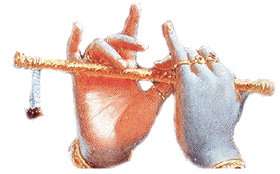
The hands with the flute represent
the hands of Lord Krishna who
bedazzles us with His love for the
harmony of nature.
Footnote:
2: Dikè:
personification of justice
considered the daughter of Zeus
and Themis.
De site lineair
als een perfectie van de causale
illusie:


|